


Hydrogen Mobility

Expanding Mobility Choices, On Roads and Beyond

With expertise spanning both hydrogen mobility and fuel cell manufacturing, Hyundai has built nearly 30 years of technological leadership. Today, Hyundai is expanding the hydrogen ecosystem beyond mobility into diverse transportation and industrial sectors.

  • Hyundai Motor Company
  • Kia
  • Hyundai Rotem

On Roads and Beyond

Mobility Lineup

Drawing on the technological expertise of a global automaker,
Hyundai is leading the transition to a hydrogen society.

  • NEXO fuel cell electric vehicle driving along a lakeside road

    Passenger Mobility

    Hyundai’s Vision and Commitment to a Hydrogen Society
    The world’s best-selling hydrogen fuel cell electric vehicle and Hyundai’s first dedicated fuel cell electric vehicle (FCEV). With a differentiated refueling and driving experience, NEXO is leading a more sustainable mobility lifestyle.

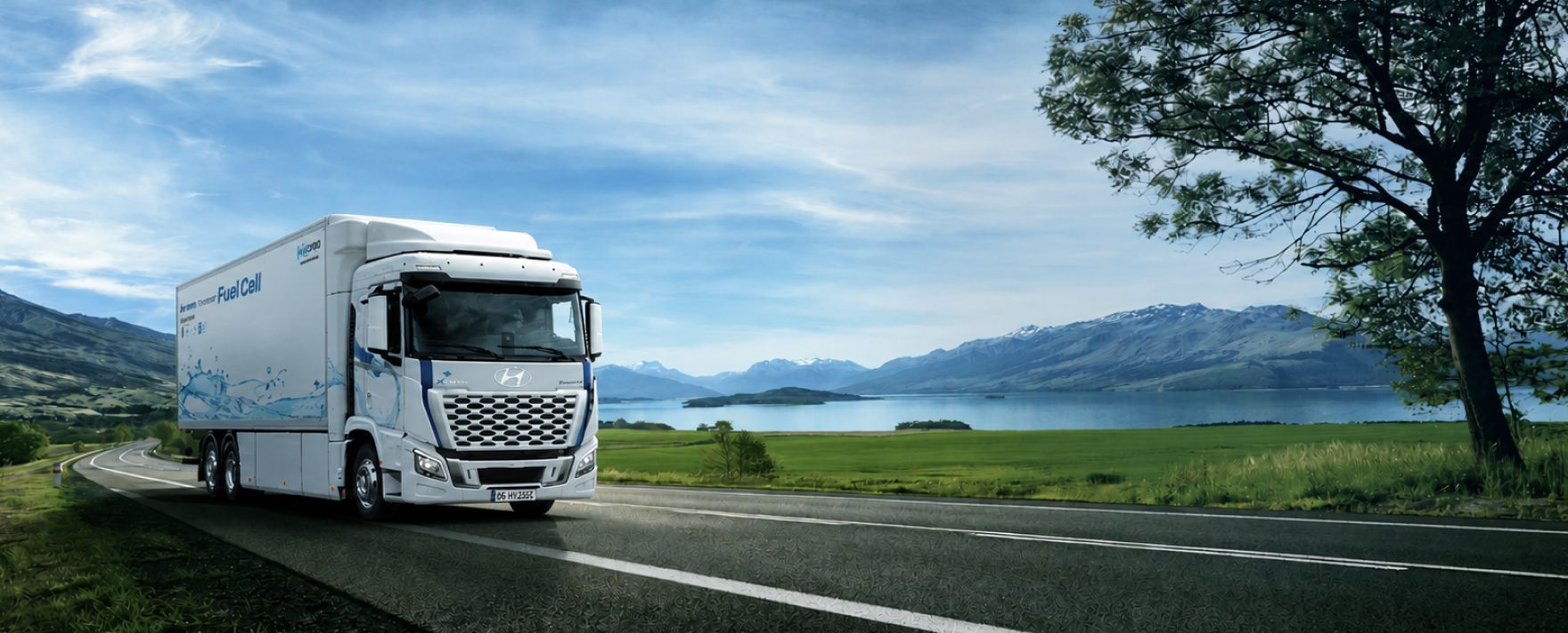
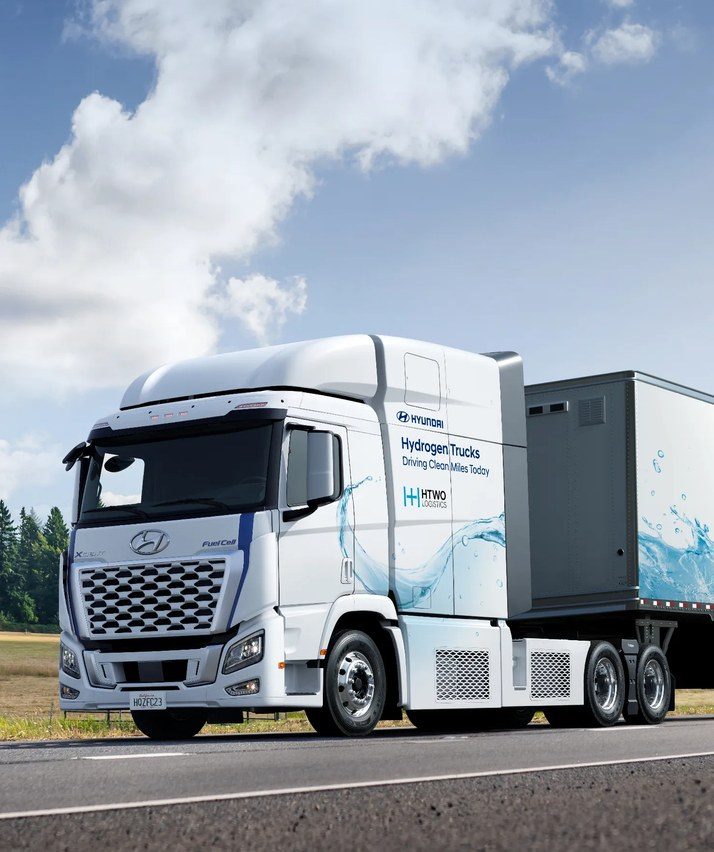
  • XCIENT Fuel Cell truck driving on a highway

    Commercial Mobility

    “Mobility Optimized for Heavy-Duty Logistics and Long-Haul Operations” With short refueling times and long driving range, hydrogen fuel cell electric commercial vehicles maximize operational efficiency. Their high payload capacity enhances logistics productivity, while quiet driving characteristics deliver differentiated value in the commercial transportation market.

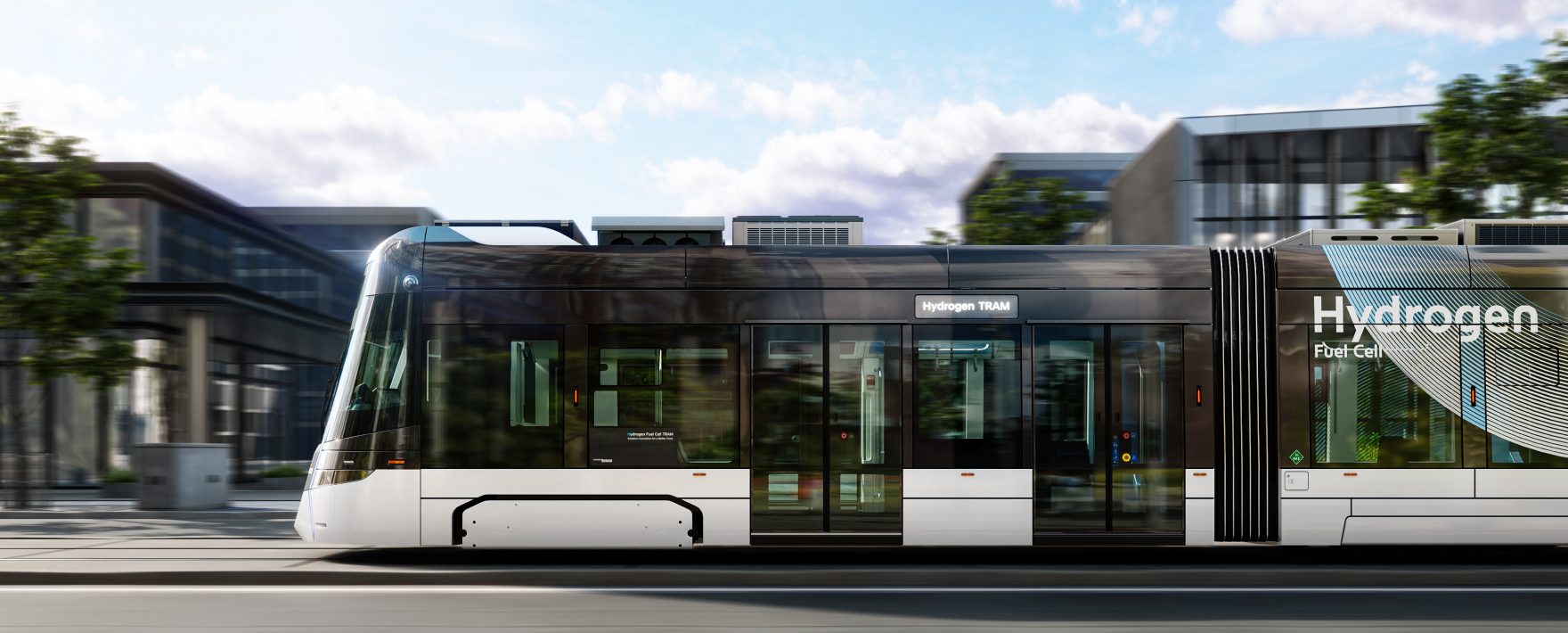
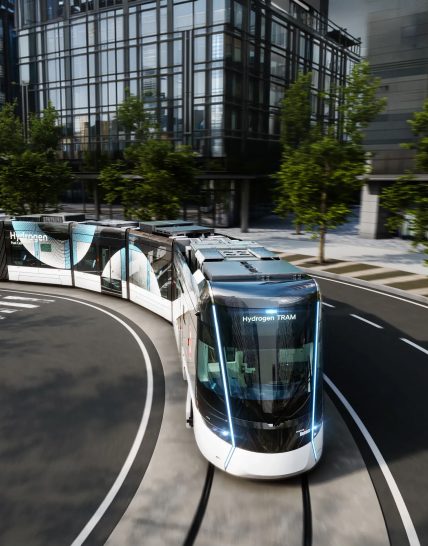
  • Hydrogen Fuel Cell Tram running along a curved urban track

    Rail Mobility

    Next-Generation Urban Transportation Preserving City Landscapes
    Powered by hydrogen, fuel cell trams operate without overhead catenary lines, delivering quiet and clean ground-level public transportation. Hydrogen fuel cell electric trams are shaping the future of low-emission urban mobility.

  • Hydrogen fuel cell wheeled armored vehicle driving off-road

    Military Mobility

    Future Hydrogen Mobility for Next-Generation Defense
    Starting with military logistics and sustainment systems, Hyundai is advancing a range of R&D initiatives to establish a comprehensive hydrogen-powered defense ecosystem for the future.

Key Features

  • Key Features

    Passenger Mobility

    NEXO

    Something only you can do

    Launched in 2018, NEXO was developed as Hyundai’s first dedicated fuel cell electric passenger vehicle. In 2025, it evolved into the all-new NEXO, offering enhanced performance and capabilities.

    With a refueling time of approximately five minutes, the all-new NEXO delivers a driving range of up to 720 km (Based on 18-inch tires). Combining environmental sustainability with outstanding driving performance and refueling convenience, it offers a differentiated hydrogen mobility experience.

    Based on the vehicle’s state of charge, the Route Planner service provides real-time recommendations for available hydrogen refueling stations and optimized routes to the destination, enabling a more convenient and comfortable hydrogen mobility lifestyle.

    ※Actual driving range may vary based on ambient temperature, road and traffic conditions, driving habits, vehicle load, and hydrogen fueling conditions, including fueling pressure.


    The all-new NEXO

    NEXO

    • Hyundai’s First Dedicated Fuel Cell Passenger Car
    • Available in 25+ Countries, with Over 48,000 Units Sold Worldwide (as of July 2026)
    • Global No.1 Best Selling Fuel Cell Electric Passenger Car (Cumulative)
    • Launched the next-generation fuel cell electric vehicle, the all-new NEXO, in 2025
  • Key Features

    Commercial Mobility

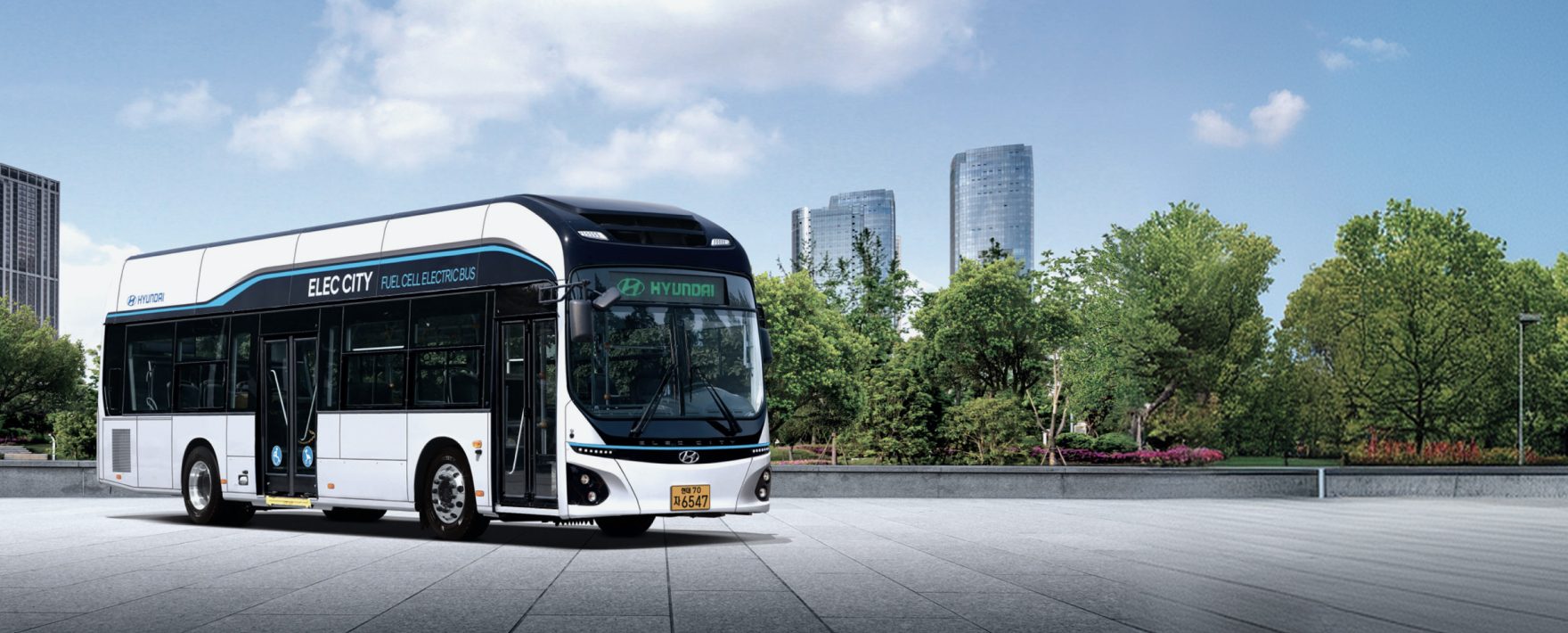
    ELEC CITY Fuel Cell

    A Low-Floor City Bus Powered by Hydrogen

    Launched in 2019, the ELEC CITY Fuel Cell is the world’s first mass-produced hydrogen fuel cell electric city bus. Powered by advanced fuel cell technology that produces electricity from hydrogen and oxygen while emitting only water as byproduct, it delivers a quiet, comfortable ride without the noise and vibration of conventional internal combustion engine vehicles. With around 2,000 units operating across four countries worldwide, it has demonstrated outstanding real-world reliability and practicality.

    The bus features a 180kW fuel cell system, a 180kW electric motor, and a 78.4kWh high-output lithium-ion battery. Combined with one of the largest hydrogen storage capacities in its class, it offers a driving range of up to 751.2km on a single refueling, making it suitable for both high-frequency urban routes and long-distance operations.

    ※Actual driving range may vary based on ambient temperature, road and traffic conditions, driving habits, vehicle load, and hydrogen fueling conditions, including fueling pressure.

    ELEC CITY Fuel Cell bus

    ELEC CITY Fuel Cell

    • World’s first mass-produced urban hydrogen fuel cell electric bus introduced in 2019
    • Public transit solution based on a low-floor city bus platform
    • Deployed across diverse applications including city routes and airport shuttle services
    • Approximately 2,000 units deployed globally, including in Korea, Austria, Saudi Arabia, and Taiwan (as of June 2026)
  • Key Features

    Commercial Mobility

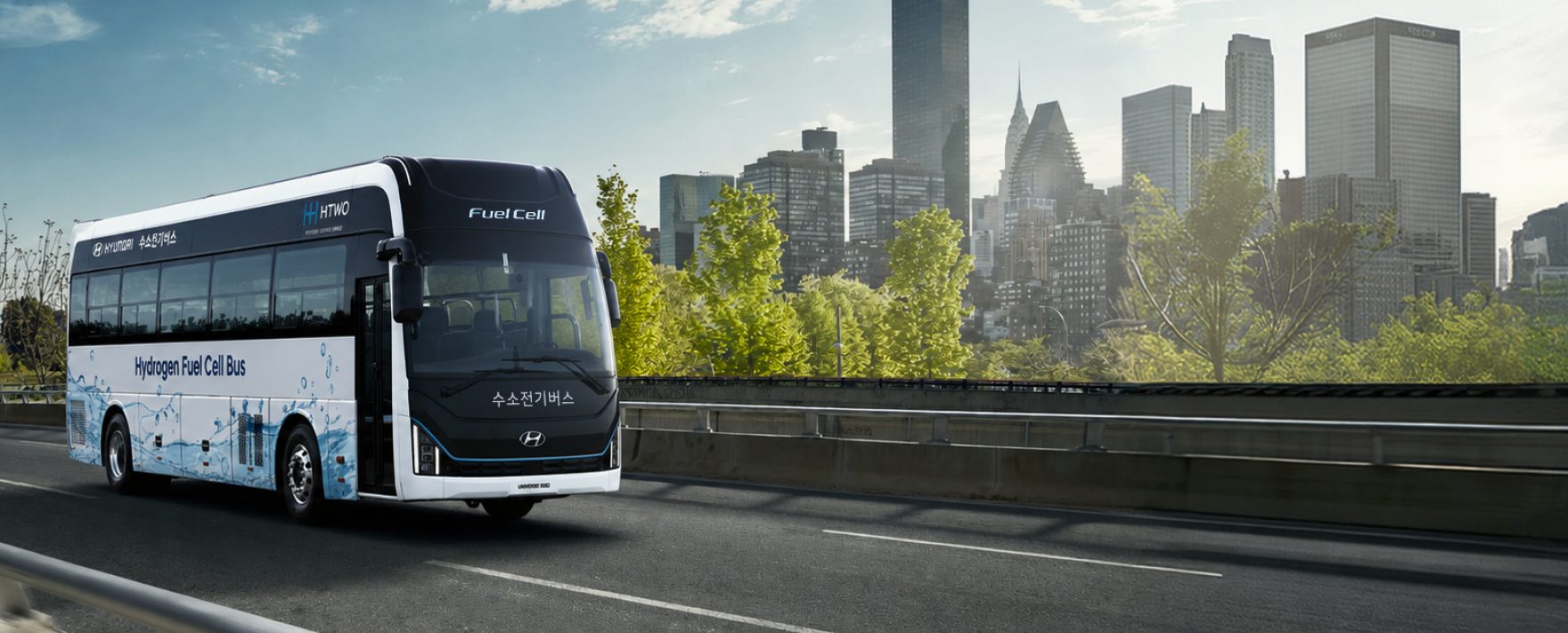
    UNIVERSE Fuel Cell

    A Premium Bus Combining Refined Comfort and Sustainable Mobility

    Launched in 2023, the UNIVERSE Fuel Cell is the world’s first hydrogen fuel cell electric coach, optimized for long-distance operations with a driving range of up to 960.4km on a single refueling.
    The vehicle is equipped with a 180kW fuel cell system, a 350kW electric motor delivering 1,800N·m of maximum torque, and a 48.2kWh high-output lithium-ion battery. Hyundai Motor also expanded customer choice by introducing a new 12-meter Prime trim.

    Powered by an electric drivetrain, the UNIVERSE Fuel Cell delivers exceptional quietness with virtually no engine noise or vibration, whether starting from a standstill, driving at low speeds, or cruising at highway speeds. In addition, it is the world’s first bus to apply MR (Magneto-Rheological Fluid) dampers along with advanced vehicle control logic that minimizes lateral and longitudinal body movement, further enhancing driving stability and passenger comfort.

    ※Actual driving range may vary based on ambient temperature, road and traffic conditions, driving habits, vehicle load, and hydrogen fueling conditions, including fueling pressure.

    UNIVERSE Fuel Cell bus

    UNIVERSE Fuel Cell

    • World’s first mass-produced coach hydrogen fuel cell electric bus, introduced in 2023
    • Large hydrogen fuel cell bus suitable for long-distance operation
    • Adopted for a wide range of applications, including commuter and school charter services, airport buses, and police buses
    • Approximately 1,350 units deployed in Korea and overseas markets, including the UAE (as of June 2026)
    • Expanding the premium hydrogen fuel cell bus market through long-range efficiency, quiet operation, and environmental sustainability
  • Key Features

    Commercial Mobility

    XCIENT Fuel Cell

    World’s First Mass-Produced Heavy-Duty Hydrogen Fuel Cell Electric Truck

    First mass-produced in 2020, the XCIENT Fuel Cell is Hyundai’s flagship hydrogen-powered commercial vehicle and the world’s first commercially deployed heavy-duty hydrogen fuel cell electric truck. It has expanded into key global markets across North America, Europe, Asia, and the Middle East, helping lead the growth of the hydrogen commercial vehicle industry.

    In the heavy-duty trucking sector, where long-haul operation and high-payload transport are critical, XCIENT Fuel Cell offers a strong competitive advantage through its short refueling time, long driving range, and high cargo-carrying efficiency.

    The vehicle delivers powerful performance and efficiency with a 350kW electric motor and a 72kWh high-voltage battery. Hyundai also operates tailored product portfolios by market, equipping European models with 220kW fuel cell stacks (2 × 110kW) and North American models with 180kW fuel cell stacks (2 × 90kW).

    XCIENT Fuel Cell truck

    XCIENT Fuel Cell

    • Launched the world’s first mass-produced Class 8 hydrogen fuel cell electric truck in 2020 and commenced commercial operations
    • Accelerating port decarbonization and the transition to clean logistics through expansion into 14 countries worldwide, including Korea
    • Expanding applications in logistics and specialized vehicle operations based on the European cargo model, with deployment across five European countries
    • Introduced the North American tractor model and expanded vehicle deployment to key initiatives, including NorCAL ZERO, BCH2 Ports, and H2 Gateway
    Front-left view of an XCIENT Fuel Cell truck on a mountain road beside a lake and snow-capped peaks
  • Key Features

    Rail Mobility

    Fuel Cell Electric Tram

    Low-Emission Urban Transportation Without High-Voltage Infrastructure

    The hydrogen fuel cell electric tram eliminates the need for high-voltage overhead catenary lines, enabling seamless urban integration and flexible route planning. Combining sustainability and scalability, it represents the future of urban public transportation.

    Fuel Cell Electric Tram

    Fuel Cell Electric Tram

    • Korea’s first domestically developed and commercialized hydrogen electric tram
    • Winner of the 2023 iF Design Award in the Product category, marking a first for Korea’s railway industry
    • Capable of traveling over 200km on a single 20-minute refueling
    • Filters fine dust from the air through advanced fuel cell air filtration and humidification membrane technologies.
    • Operates on a fully catenary-free system, eliminating the need for overhead power lines and creating a safer and more comfortable environment
  • Key Features

    Military Mobility

    All-Terrain Vehicle (ATV) Powered by Hydrogen & Mobile Hydrogen Refueling Station

    Hydrogen Fuel Cell Military Vehicles with Enhanced Mobility and Hydrogen Refueling Support Vehicles

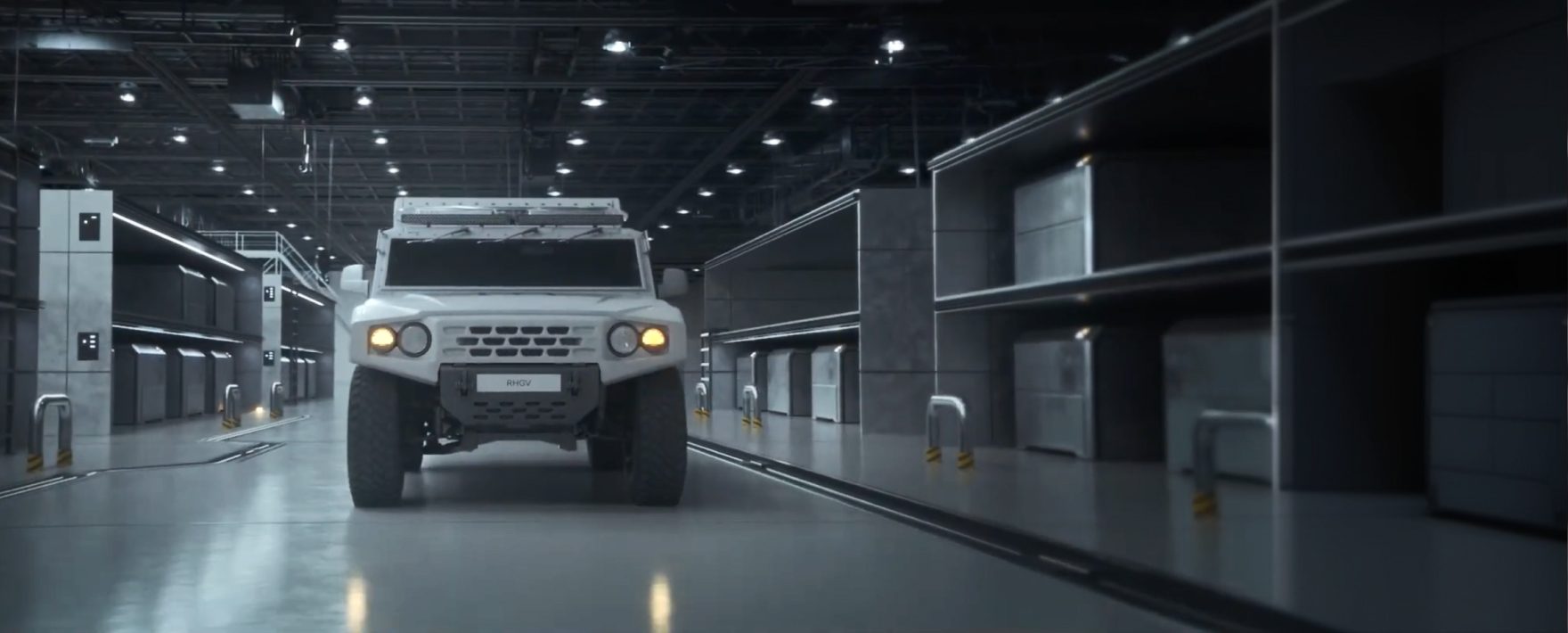
    Kia’s Special Vehicle Division is developing hydrogen-powered military mobility solutions in line with the transition from conventional internal combustion platforms to low-emission powertrains. The all-terrain vehicle (ATV) powered by hydrogen significantly reduces heat signatures and noise compared with conventional vehicles, helping enhance operational effectiveness while supporting rapid and reliable mobility in demanding environments.

    The mobile hydrogen refueling station currently under development, is designed to provide fast and reliable hydrogen supply in emergency situations, remote locations, and challenging off-road environments where conventional refueling infrastructure may be unavailable.

    All-terrain vehicle powered by hydrogen and mobile hydrogen refueling station

    All-Terrain Vehicle (ATV) Powered by Hydrogen & Mobile Hydrogen Refueling Station

    • Development of an ATV powered by hydrogen for airborne missions and a mobile hydrogen refueling station based on the Kia Light Tactical Vehicle (KLTV) ※ Utilization of Hyundai Rotem’s mobile hydrogen refueling module
    • Delivers superior mobility through application of a light-weight, compact platform optimized for air transport
    • Adopt a differential-pressure fueling system optimized for hydrogen-powered light tactical vehicles
  • Key Features

    Military Mobility

    100kW Mobile Fuel Cell Power Generator

    ower Generator Vehicle for Emergency Power Supply in Combat and Disaster Response Operations

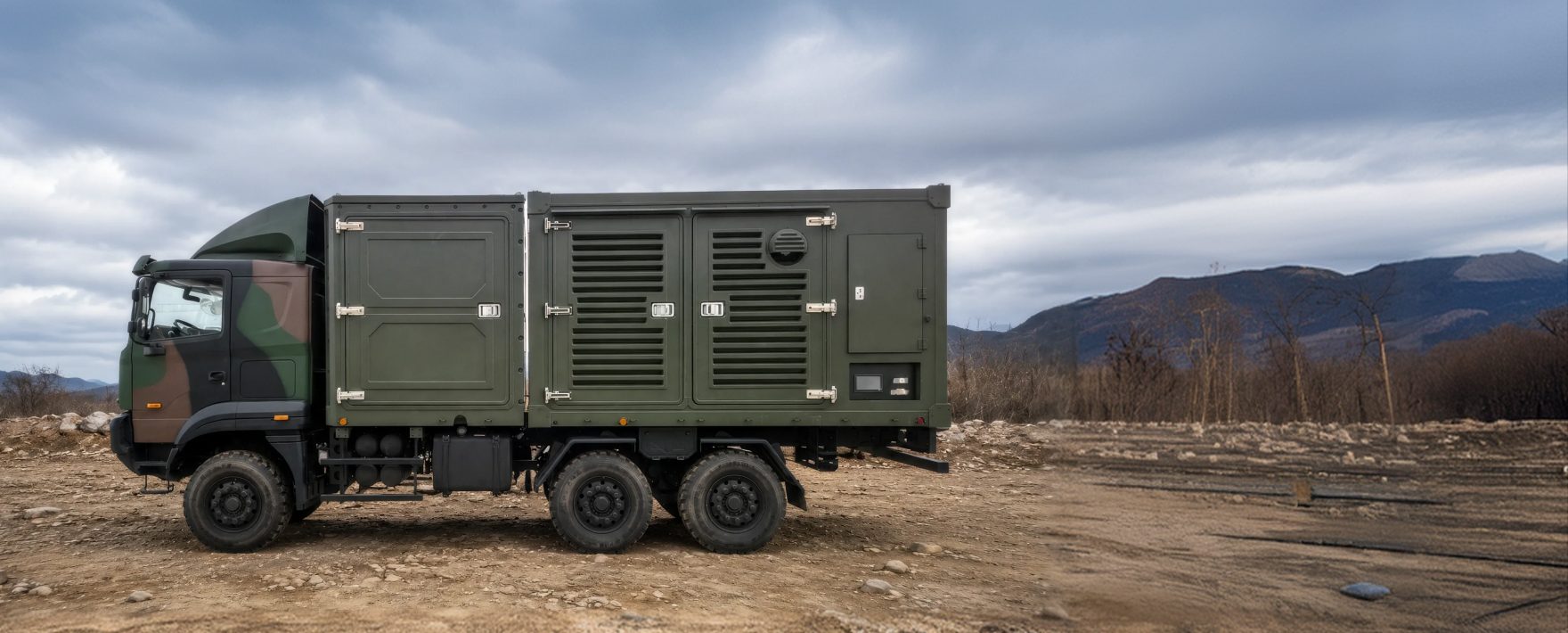
    The hydrogen fuel cell generator vehicle is designed to provide 100kW of electricity per hour by mounting a hydrogen fuel cell generator on a medium tactical vehicle (KMTV). It is capable of delivering a stable power supply even in demanding environments, such as military operation zones and emergency disaster response sites.

    Vehicle equipped with a 100kW mobile hydrogen fuel cell power generator

    100kW Mobile Fuel Cell
    Power Generator

    • Development of a mobile 100kW hydrogen fuel cell power generator mounted on the Kia Medium Tactical Vehicle (KMTV) ※ Utilizes Hyundai Motor Company’s power generation modules and solid-state hydrogen storage tanks
    • Serve as a clean, low-noise power source for frontline units and field bases
    • Ensure emergency power supply in battlefields and disaster sites
  • Key Features

    Military Mobility

    Fuel Cell Electric Wheeled Armored Vehicle

    Hydrogen-Powered Wheeled Armored Vehicle Electrification Platform

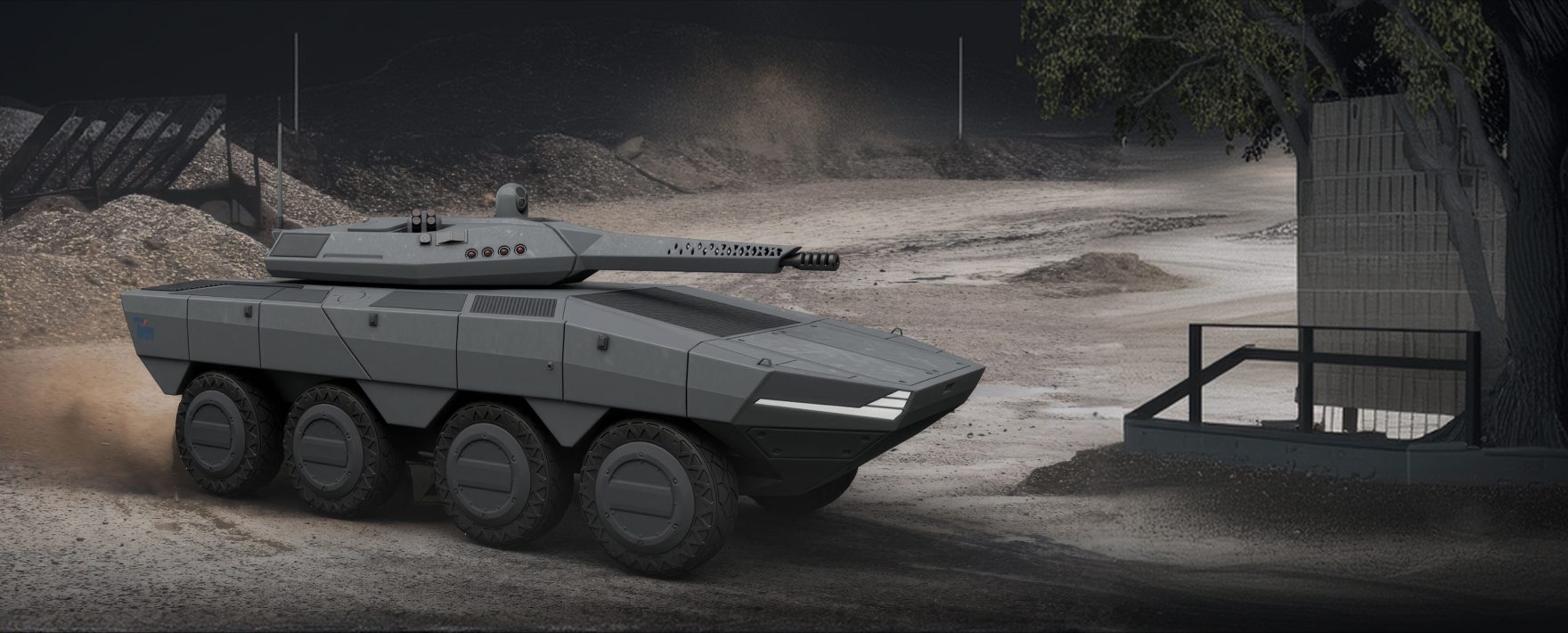
    The next-generation wheeled armored vehicle uses hydrogen as its primary energy source to generate electric propulsion power.

    Electric motors developed specifically for wheeled armored-vehicle operation provide high torque and rapid response, while the fuel cell system supports low-noise, low-heat, and zero-emission operation. These characteristics improve survivability and operational capability in diverse mission environments.

    Fuel Cell Electric Wheeled Armored Vehicle

    Fuel Cell Electric
    Wheeled Armored
    Vehicle

    • Develop electrification platform technology for hydrogen fuel cell electric wheeled armored vehicles
    • Enable stable power supply to support mobilities requiring high energy
    • Enhances operational effectiveness through the low-noise, low-heat-signature, and low-emission characteristics of hydrogen fuel cells
  • Key Features

    Military Mobility

    Fuel Cell Electric Unmanned Wheeled Mobility Platform

    Hydrogen-Powered Electrification Platform for Unmanned Mobility

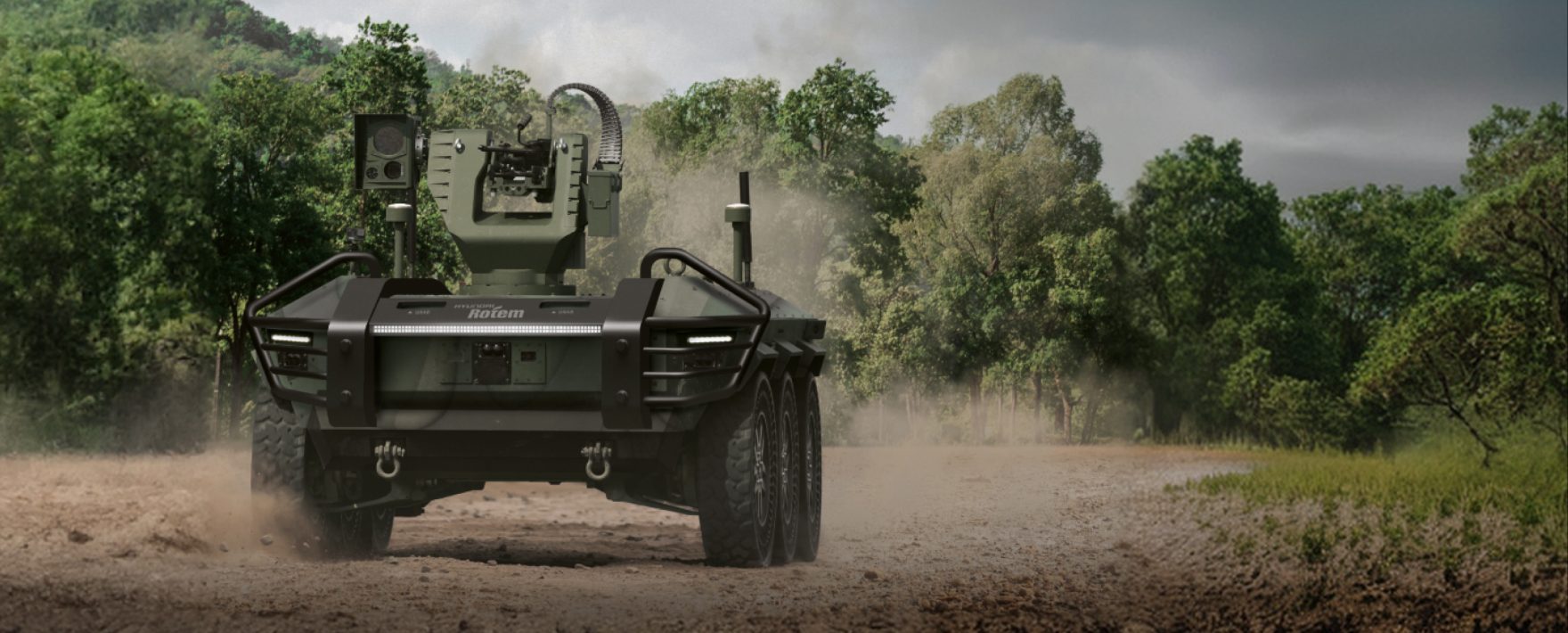
    The Black Veil is an open-platform vehicle powered by hydrogen fuel cell technology, offering the functional advantages of electrified mobility, including low noise operation and high power output. These characteristics enable rapid and discreet mission execution in operational environments where mobility and stealth are critical.

    Equipped with remote operation capabilities, Black Veil can perform a variety of tasks on behalf of personnel, including surveillance, reconnaissance, and mission support operations in demanding environments. Its modular roof structure allows mission-specific payloads to be easily installed and removed. This enables integration of a wide range of equipment, including surveillance drones, remote controlled weapon stations (RCWS), anti-drone systems (ADS), and medical evacuation modules. In addition, the platform’s open cargo area supports broader applications beyond defense, including logistics transport, power and supply delivery, disaster response, and other civilian-use scenarios.

    Fuel Cell Electric Unmanned Wheeled Mobility Platform

    Hydrogen Fuel Cell Electric
    Unmanned Wheeled Mobility Platform

    • Supports a wide range of mission payloads, including RCWS, machine guns, drone stations, anti-tank missile systems, and surface-to-air missile systems ※ Can be tailored to specific operational requirements
    • Enable flexible application of integrated electrified rolling chassis for special-purpose military mobility
    • Drive the growth of the hydrogen mobility industry expanding applications to civilian sectors such as port and airport logistics

Mobility Technology

Advantages of Fuel Cell Electric Vehicles

Fuel cell electric vehicles offer significant advantages in long-haul, heavy-duty, and high-utilization operations, thanks to their fast refueling times and long driving range. These advantages become even more pronounced in commercial applications such as heavy-duty trucks and buses, where high payload capacity, extended operating distances, and maximum vehicle uptime are essential.

* Based on a hydrogen fill amount of 6.7kg and a final state of charge (SOC) of 95%.
** Based on a hydrogen fill amount of 25kg and a final state of charge (SOC) of 95%.

  • Fast Refueling

    Fuel cell electric vehicles are refueled by filling onboard tanks with highly compressed hydrogen, offering a significantly shorter refueling time than battery electric vehicle charging. Passenger vehicles can be refueled in approximately 5minutes and commercial vehicles in around 20minutes, enabling driving ranges of up to 720km and 960km, respectively. This provides a high level of convenience and operational efficiency.

  • Extended Driving Range

    Fuel cell electric vehicles require smaller battery packs than battery electric vehicles. Combined with hydrogen’s high energy density, this gives hydrogen-powered commercial vehicles a structural advantage for long-distance transportation.

  • Cold-Weather Reliability

    In extreme cold weather between -10°C and -20°C, most electric vehicles experience a 30-40% reduction in driving range compared to operation at normal temperatures due to battery performance degradation. Hydrogen does not store electricity in a battery. Instead, it reacts with oxygen when needed to power the motor using hydrogen stored in tanks. This results in significantly less energy loss at low temperatures, ensuring operational stability during winter or in extreme regions.

Business

Hydrogen Mobility

Hyundai Motor Group is expanding the applications of eco-friendly mobility through its advanced hydrogen fuel cell technology.

  • Hyundai fuel cell electric passenger vehicle on the road

    Fuel Cell Electric Passenger Vehicle Sales

    World’s first fuel cell electric vehicle launch and No. 1 global cumulative sales in hydrogen fuel cell passenger vehicles

    Participating Affiliates

    • Hyundai Motor Company
  • Hyundai fuel cell electric heavy-duty truck and bus lineup

    Fuel Cell Electric Commercial Vehicle Sales

    World’s first fuel cell electric heavy-duty truck and bus launch

    Participating Affiliates

    • Hyundai Motor Company
  • Fuel cell electric bus operating between Incheon International Airport terminals

    Incheon International Airport Corporation (IIAC), Future Mobility Innovation Project

    Introduction of fuel cell electric buses on inter-terminal routes at Incheon International Airport

    Participating Affiliates

    • Hyundai Motor Company
  • Fuel cell electric city bus running a regular urban route in Austria

    Fuel Cell Electric City Bus Deployment in Austria

    First overseas deployment of fuel cell electric city buses on a regular urban bus route

    Participating Affiliates

    • Hyundai Motor Company
  • Participants holding signed agreements at the MOU ceremony for converting ESG-leading companies' commuter buses to hydrogen

    Fuel Cell Electric Commuter Bus Supply in Korea

    Conversion of commuter bus operations at seven ESG-leading companies to fuel cell electric buses

    Participating Affiliates

    • Hyundai Motor Company
  • Fuel cell electric commuter buses at a Hyundai Motor Group business site

    Hyundai Motor Group Hydrogen Fuel Cell Commuter Bus Conversion

    Conversion of approximately 1,600 commuter buses operated by 10 Hyundai Motor Group affiliates across 29 domestic business sites to fuel cell electric buses

    Participating Affiliates

    • Hyundai Motor Group

FAQ

Questions About
Hydrogen Mobility

  • As the name suggests, fuel cell electric vehicles ultimately run on electricity. The difference lies in how that electricity is produced.

    BEVs store externally generated electricity in an onboard battery, while FCEVs use hydrogen stored in a fuel tank to generate electricity themselves. Their hydrogen fuel cell system combines hydrogen and oxygen to produce electrical energy, which powers the vehicle.

    In other words, BEVs are charged with electricity from outside, whereas FCEVs are refueled with high-pressure gaseous hydrogen at a hydrogen station and generate their own electricity while driving.

    FCEVs can travel farther on a single refill than many BEVs (720 km for the ‘NEXO’ and 960.3km for the hydrogen fuel cell city bus ‘UNIVERSE Fuel Cell’). Their lighter body also allows them to carry more cargo or passengers. They are an eco-friendly option for those who want to avoid frequent charging or save charging time—approximately 5minutes for the NEXO and 20minutes for the UNIVERSE Fuel Cell bus.

  • A fuel cell electric vehicle (FCEV) consists of several key components:

    • Hydrogen Tank: Stores hydrogen.
    • Fuel Cell Stack: Combines hydrogen and oxygen to generate electricity.
    • Battery: Supports fuel cell output, stores regenerative braking energy, and stabilizes the system.
    • Motor: Uses the stored electrical energy to drive the vehicle.
  • Both FCEVs and BEVs are eco-friendly vehicles that produce low carbon emissions during operation, offering complementary alternatives that expand transportation choices in the era of carbon neutrality.

    Each has distinct advantages depending on the vehicle’s size and purpose. Hydrogen fuel cell electric vehicles are considered particularly well suited to large commercial vehicles that require long-distance travel and heavy payloads.

    In terms of operational efficiency, FCEVs have an advantage over EVs. Their short refueling time significantly increases the utilization of buses and trucks, while their higher energy efficiency allows them to travel much farther on a single refill. City buses, which operate continuously along fixed routes with frequent stops, can run all day with just one daily refueling. Commuter buses on fixed routes generally need to be refueled only once every one to two days. This operational convenience comes from the excellent fuel efficiency of hydrogen vehicles.

    Hydrogen vehicles also offer clear advantages in terms of payload capacity. During heavy-duty, long-distance travel, their fuel storage system places a relatively lower weight burden on the vehicle. This allows them to carry more cargo and passengers, thereby improving the actual transport profitability of commercial vehicles.

    Hydrogen vehicles also outperform EVs in extreme environments. Because they generate electricity by directly reacting hydrogen in the fuel tank with oxygen, they experience far less energy-efficiency loss at low temperatures, making them highly suitable for winter operation and extreme regions. Hyundai’s hydrogen fuel cell systems demonstrate this advantage with a wide operating temperature range of −30°C to 50°C. They maintain stable starting and driving performance not only during ordinary winters but also in extremely cold conditions, making them a reliable means of transportation throughout the year.

  • Railways operate across both electrified and non-electrified sections. On electrified routes, trains receive power from overhead catenary lines, while non-electrified routes are served by diesel-powered railway vehicles. However, the introduction of diesel-powered trains is being restricted due to carbon-neutrality goals and various regulations. As a result, the development and adoption of rail mobilities powered by renewable energy are gaining momentum, with hydrogen fuel cell rail mobilities receiving particular attention.

    Based on the technology of HTWO, Hyundai Motor Group’s hydrogen brand, Hyundai Rotem is gradually building a full lineup of hydrogen fuel cell rail mobilities. Starting with hydrogen fuel cell trams, the company is currently carrying out a government-funded project to develop core technologies for hydrogen fuel cell locomotives. It also plans to expand its lineup to include hydrogen multiple units and hydrogen high-speed trains.

    The hydrogen fuel cell tram is entering the commercialization stage and is scheduled to be supplied to Daejeon and Ulsan. Operating without overhead wires, it can travel more than 200km on a single charge and can be charged in approximately 20minutes.

    Hyundai Rotem is also strengthening its design competitiveness across its hydrogen mobility lineup. Its hydrogen fuel cell tram, hydrogen fuel cell powered car, and hydrogen fuel cell multiple unit won a main awards at Germany’s iF Design Award, leading the design of hydrogen mobility in the railway sector.

  • The key advantage of hydrogen-powered mobility is that it produces less noise and heat than conventional internal-combustion-engine vehicles. This means that, beyond its environmental benefits, it can provide a tactical advantage in military operations.

    The all-terrain vehicle (ATV) powered by hydrogen, developed by Kia, offers off-road mobility as well as rapid and covert movement capabilities. These features enable it to effectively maintain operational secrecy during movement, which is essential for covert infiltration missions such as the airborne operations of the Republic of Korea Army (ROKA) Quick Response Division. The vehicle can also respond swiftly across a wide range of operational environments. Its applicability has been demonstrated through performance verification tests and trial operations conducted by designated demonstration units.

    The importance of hydrogen technology in the defense sector has also been recognized under the South Korean government’s Defense Innovation 4.0 initiative and the Defense Technology Planning Document. Going forward, efforts are planned to promote commercialization by improving hydrogen-related regulations and developing the necessary infrastructure.